
Tweed Shire Council
Headquarters & Depot Relocation
End-to-end project management, heavy transport, crane operations and site coordination for the complete relocation of a live council operation into its newly constructed facility.
A complete operational relocation—not a collection of truck bookings.
Tweed Shire Council approached Foley Logistics directly after the scale and complexity of the relocation had placed it beyond the practical capability of other transport providers that had considered the work. The Council needed one company capable of controlling the planning, specialist fleet, lifting, safety and site interface as a single operation.
Foley Logistics was engaged to coordinate the relocation of the Council’s headquarters and operational depot from a flood-prone facility to a newly constructed site approximately nine kilometres away. The scope covered heavy engineering equipment, workshop machinery, fleet-maintenance infrastructure, hazardous and flammable materials, operational stores, specialised equipment and office facilities.
Before mobilisation, Foley personnel attended both sites on multiple staggered planning and investigation days throughout the preceding month. Those visits were used to inspect assets and loads, confirm access, identify lifting and dangerous-goods requirements, develop the movement sequence and ensure Council operations could remain active throughout the transition.
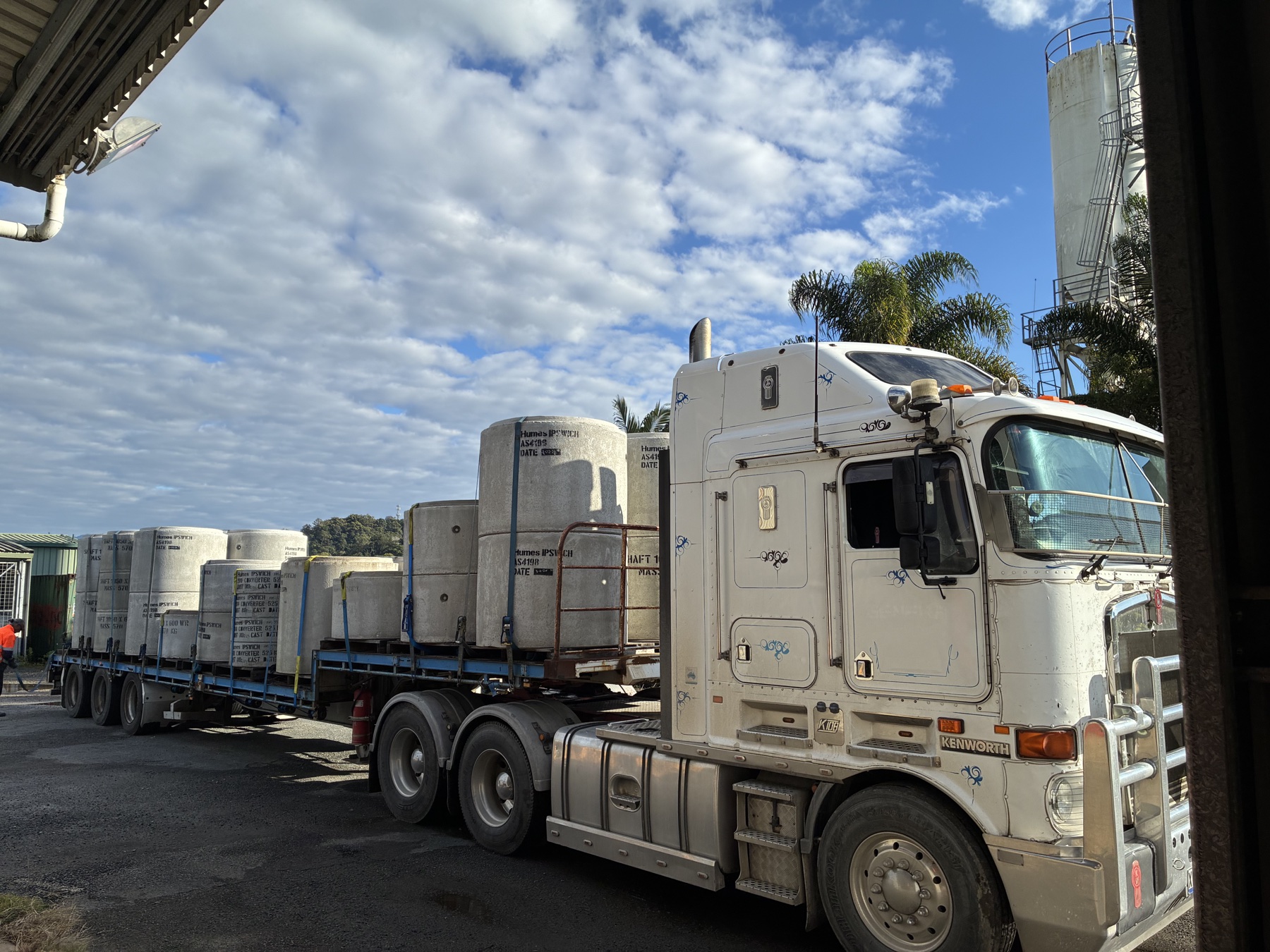
Keep a public operation functioning while every major asset changes location.
The move combined heavy lifting, high-risk freight, numerous vehicle types and multiple workstreams across two active sites.
Uninterrupted council operations
The relocation sequence had to protect critical services, minimise downtime and keep operational teams functioning.
Machinery and workshop infrastructure
Industrial lathes exceeding three tonnes, fleet-maintenance equipment and engineering machinery required specialist handling.
Hazardous and flammable goods
Controlled procedures, load inspections, suitable equipment and compliant movement planning were required.
Approximately 160 movements
Vehicle flow, site access, loading areas, crews and traffic controls had to operate through one daily program.
A newly constructed destination
Access routes, workshop areas and new infrastructure had to be protected during wet-weather and heavy-equipment activity.
A fixed four-week program
The project required disciplined sequencing, scalable resources and fast resolution of changing site conditions.
Investigate, inspect and define the scope
Foley’s project team completed multiple staggered site visits during the month before delivery. Assets, dimensions, load weights, access routes, destination readiness, lifting points, dangerous goods and operating constraints were investigated before the first vehicle was mobilised.
Engineer the movement program
Fleet, lifting resources, traffic-control zones and daily work stages were sequenced around operational priorities and Council requirements. The plan gave each movement a defined vehicle, crew, handling method and site pathway.
Mobilise the project team
A dedicated structure connected project management, operations, safety, crane-lift inspection, load inspection, qualified operators, licensed dangerous-goods drivers, riggers, dogmen, labourers and traffic-control personnel.
Execute staged transport and lifting
Crane trucks, prime movers, trailers, Pantechs, forklifts, courier vehicles, a spider crane and a 60-tonne mobile crane were deployed as required.
- Heavy engineering machinery
- Workshop tools and equipment
- Warehouse inventory
- Gas cylinders and dangerous goods
- Office furniture
- Operational stores
Inspect every load and control site movement
Every load was checked before transport. Crane-lift inspectors reviewed lifting activity, dedicated traffic controllers directed vehicle and pedestrian movements, and dangerous-goods-licensed personnel managed gases and other controlled freight. Daily pre-starts were supported by SWMS, JSA, lift plans, radio communications and NHVR-compliant restraint.
Close out ahead of program
The relocation was completed in two weeks—half the original program—with operational continuity maintained, zero asset damage and zero reportable safety incidents.
Real people, real fleet and a live operational move.
The photography shows the council facility, working project resources and specialised lifting capability deployed through the relocation.
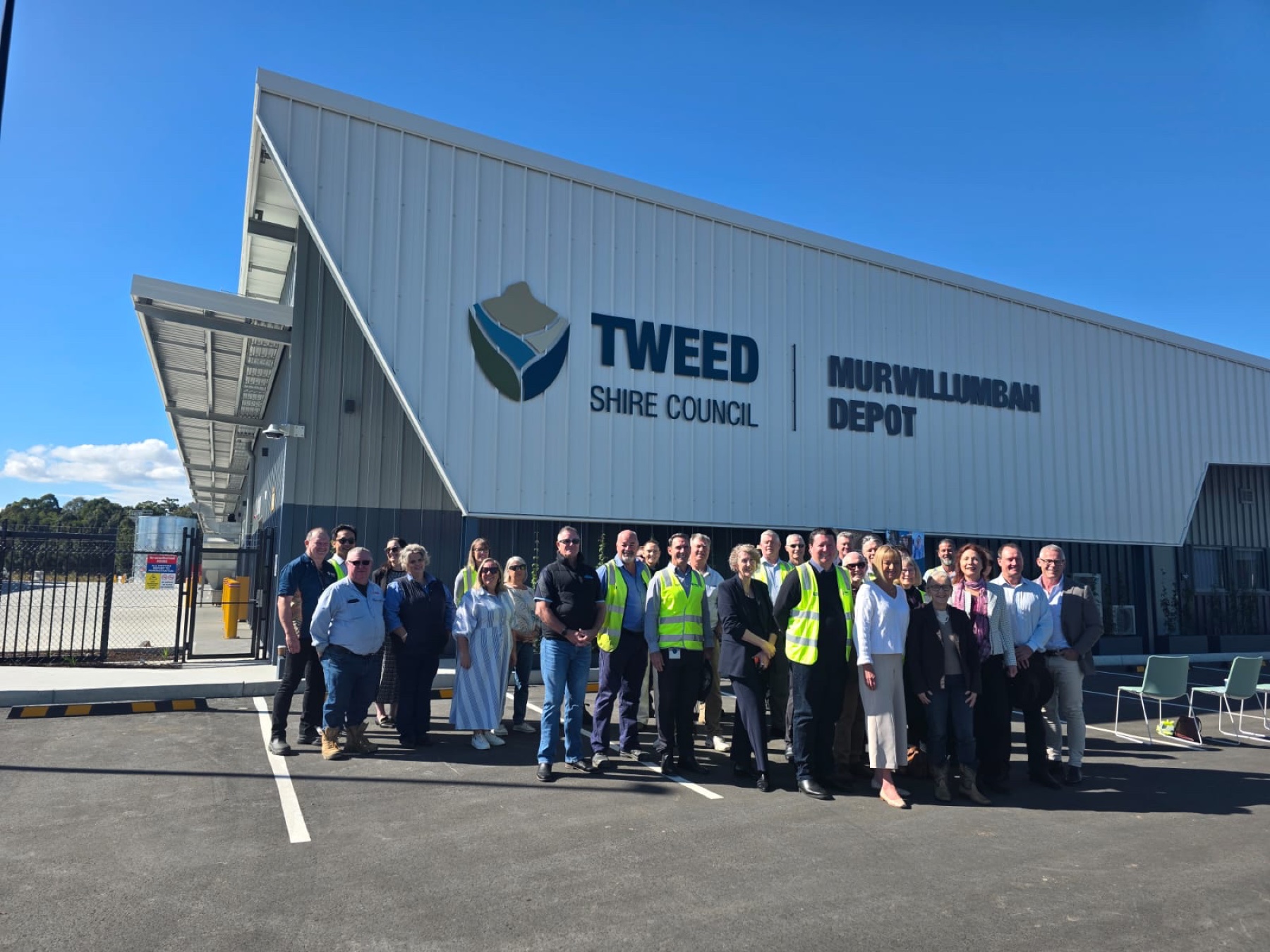

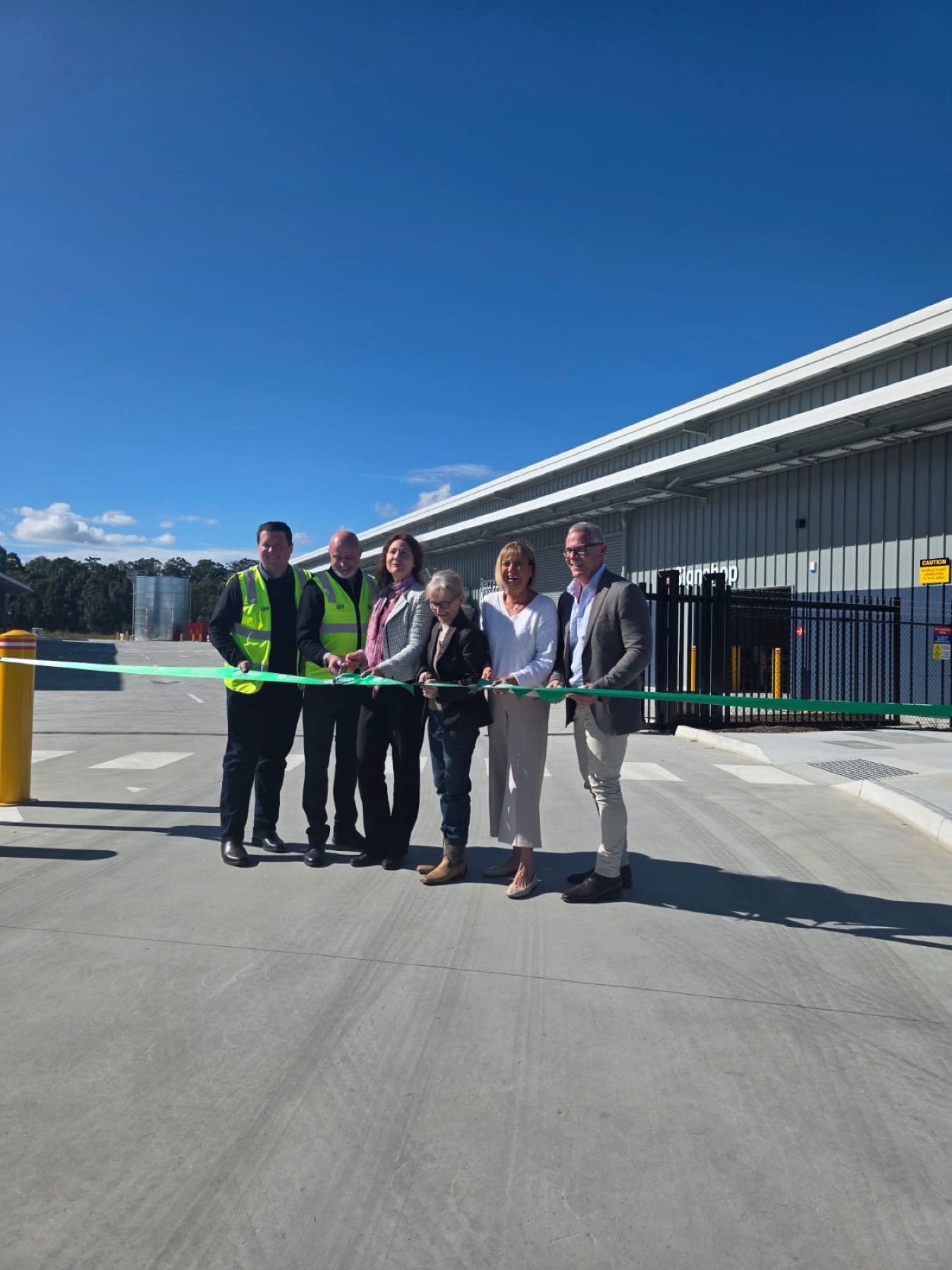
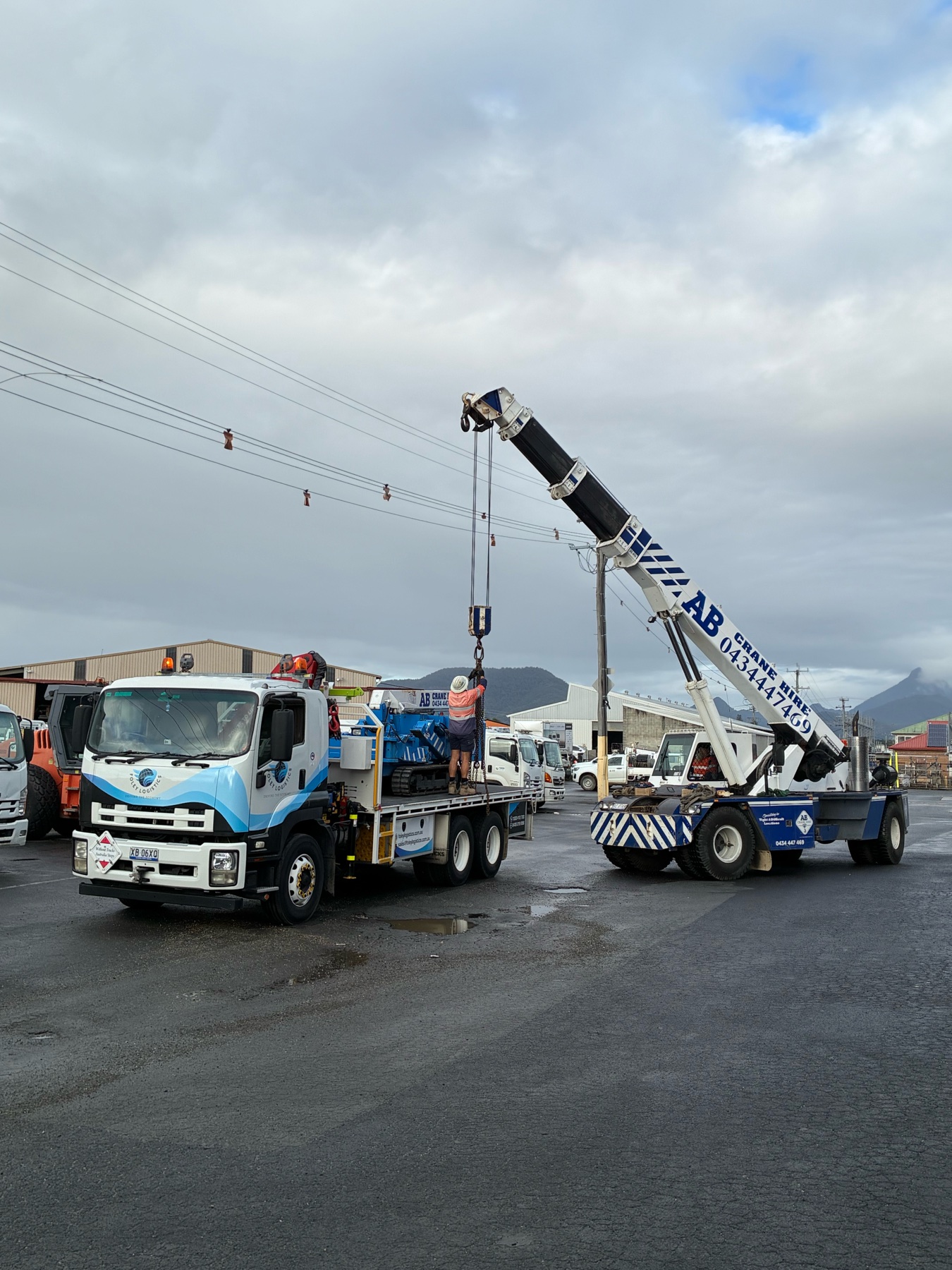
Multidisciplinary control across transport, lifting and site execution.
Project management
One accountable project lead coordinated scope, program, stakeholders, escalation and daily operational decisions.
Multi-fleet allocation
Crane trucks, prime movers, Pantechs, semi-trailers, enclosed trailers, couriers and specialist combinations were matched to each stage.
Crane and lift inspection
Qualified crane operators, lift inspectors, dogmen and riggers controlled lift planning, heavy machinery movements and final placement.
Dedicated traffic control
Traffic controllers directed vehicle entry, loading zones, pedestrian separation and movement between the two operational facilities.
Licensed dangerous-goods transport
Licensed personnel and defined procedures supported the compliant transport of gases, flammable products and other controlled materials.
Every load inspected
Loads were inspected before movement for suitability, restraint, stability, route and task-specific handling requirements.
Safety and compliance
Site safety oversight, SWMS, JSA, lift plans, pre-starts and NHVR-aligned restraint were built into execution.
Daily coordination
Operational meetings, site supervision, radio communications and stakeholder updates maintained alignment throughout the move.
Delivered in half the planned time—and trusted with ongoing Council work.
The outcome demonstrates Foley Logistics’ ability to lead significant government relocations involving specialised transport, heavy lifting and multidisciplinary site coordination. Successful delivery established Foley Logistics as a trusted transport and logistics provider for further Tweed Shire Council requirements.
A team structured around the operation.
Planning a complex facility or depot relocation?
Bring the transport, lifting, people and site controls into one accountable project plan.