
Planned freight. Clear coordination.
Semi-Trailer & Interstate Transport
Prime-mover and semi-trailer freight for commercial, industrial and project requirements. Plan a dedicated movement, recurring freight run or interstate delivery around the load, the route and the receiving site.
Connected transport
Larger loads. One coordinated transport plan.
Semi-trailer freight works best when the vehicle, the route and the receiving site are planned together.
Foley Logistics coordinates commercial freight movements around the load profile, loading arrangements and delivery requirements. Discuss a dedicated delivery, repeat freight run or interstate movement with our operations team.
Send the actual locations, freight weights and dimensions, preferred dates and handling details so suitability and availability can be assessed.
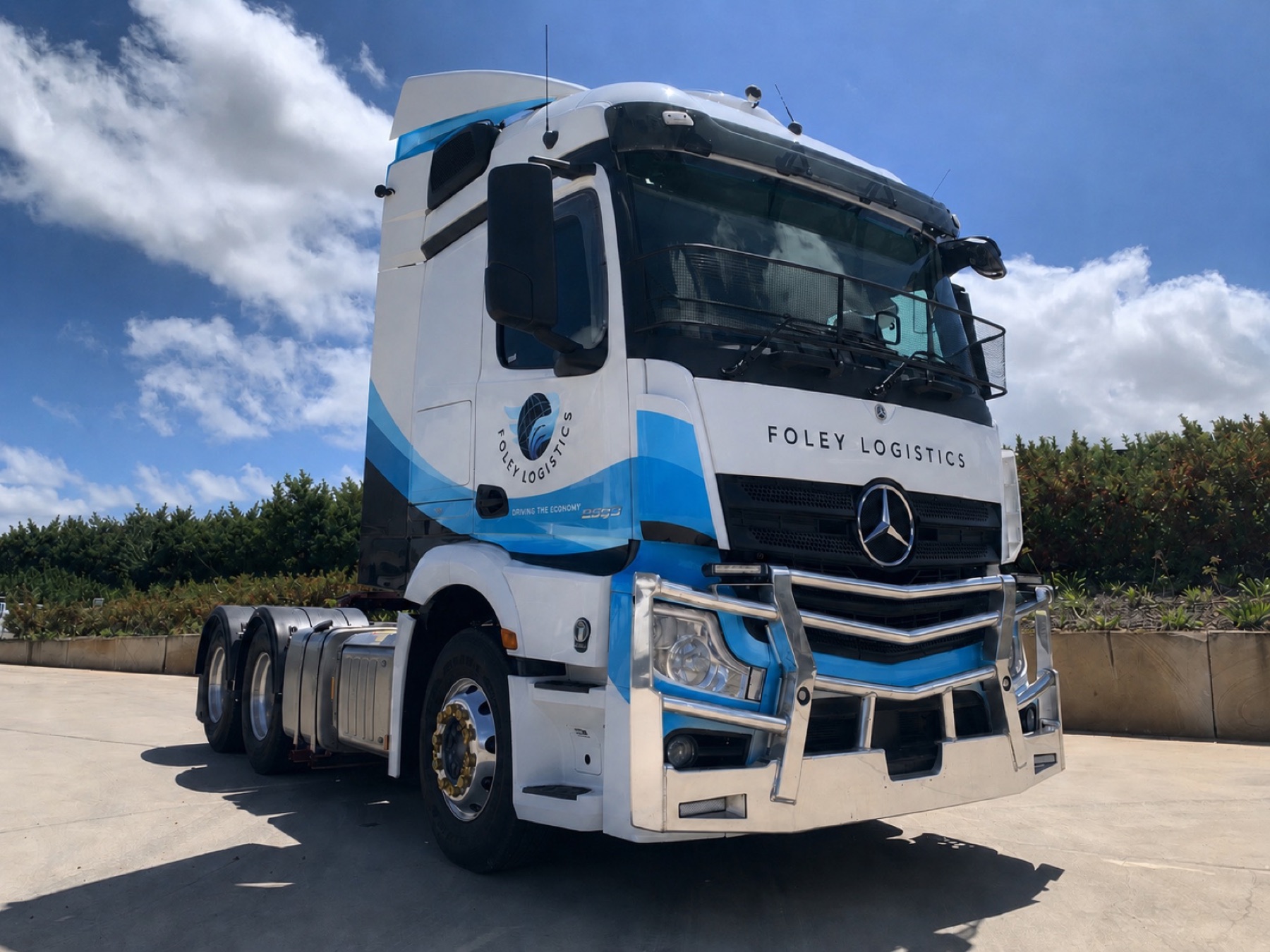
Commercial freight
Freight planned around your business.
Palletised goods, building materials and suitable commercial or industrial freight, assessed against the load and the job.
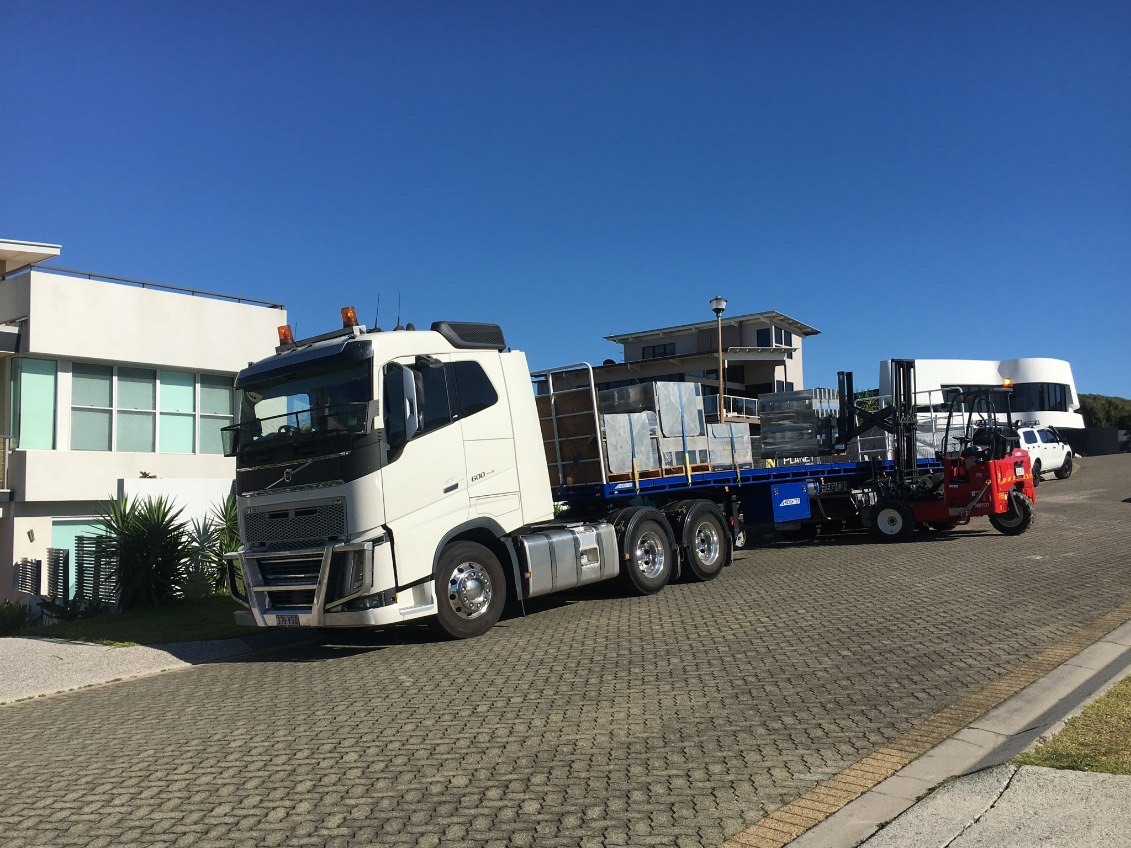
Palletised freight
Commercial pallet quantities with weights, dimensions, packaging and unloading arrangements confirmed before booking.
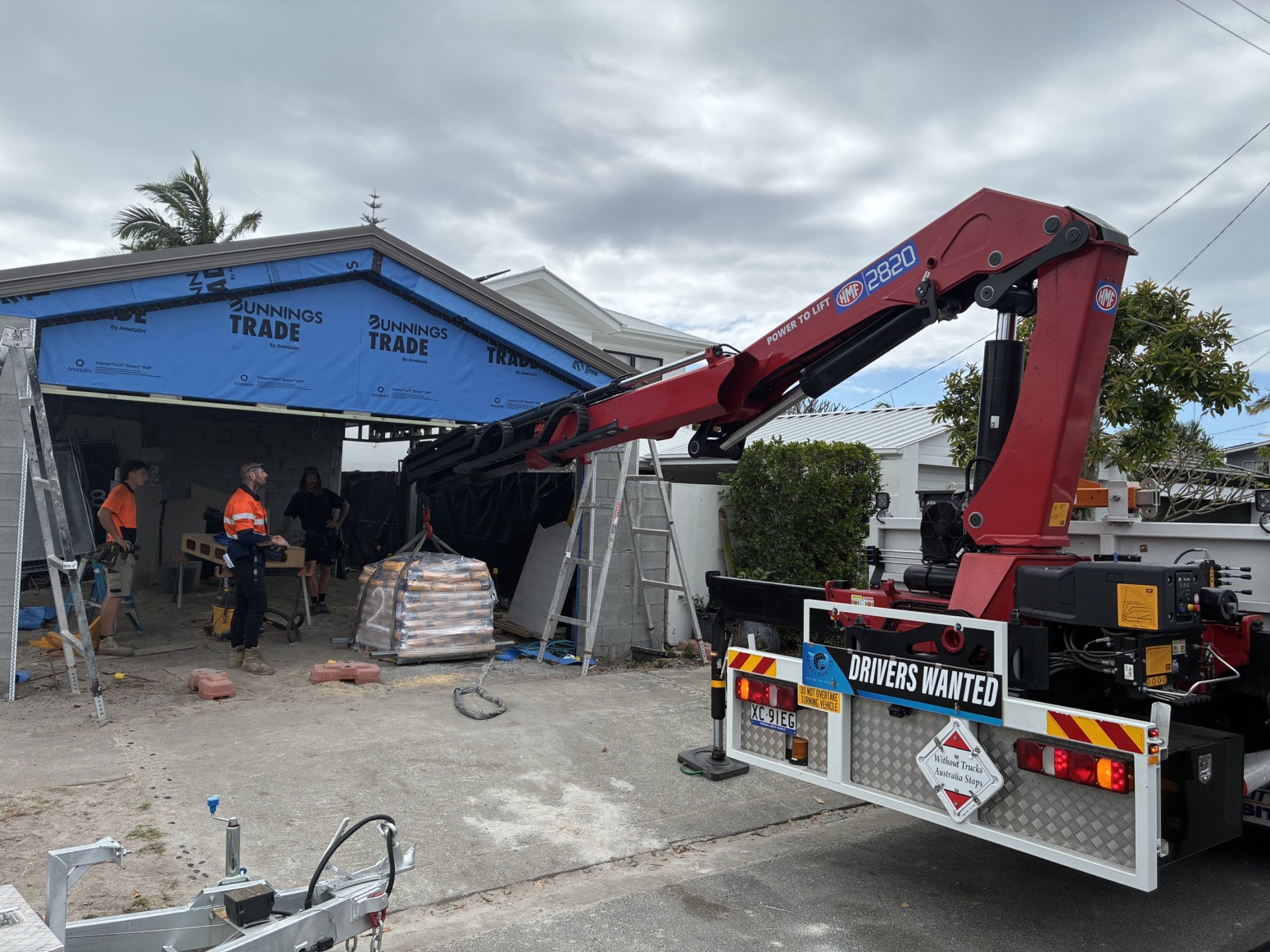
Building & project materials
Coordinate supplier collections and site deliveries around access restrictions, delivery windows and the construction program.
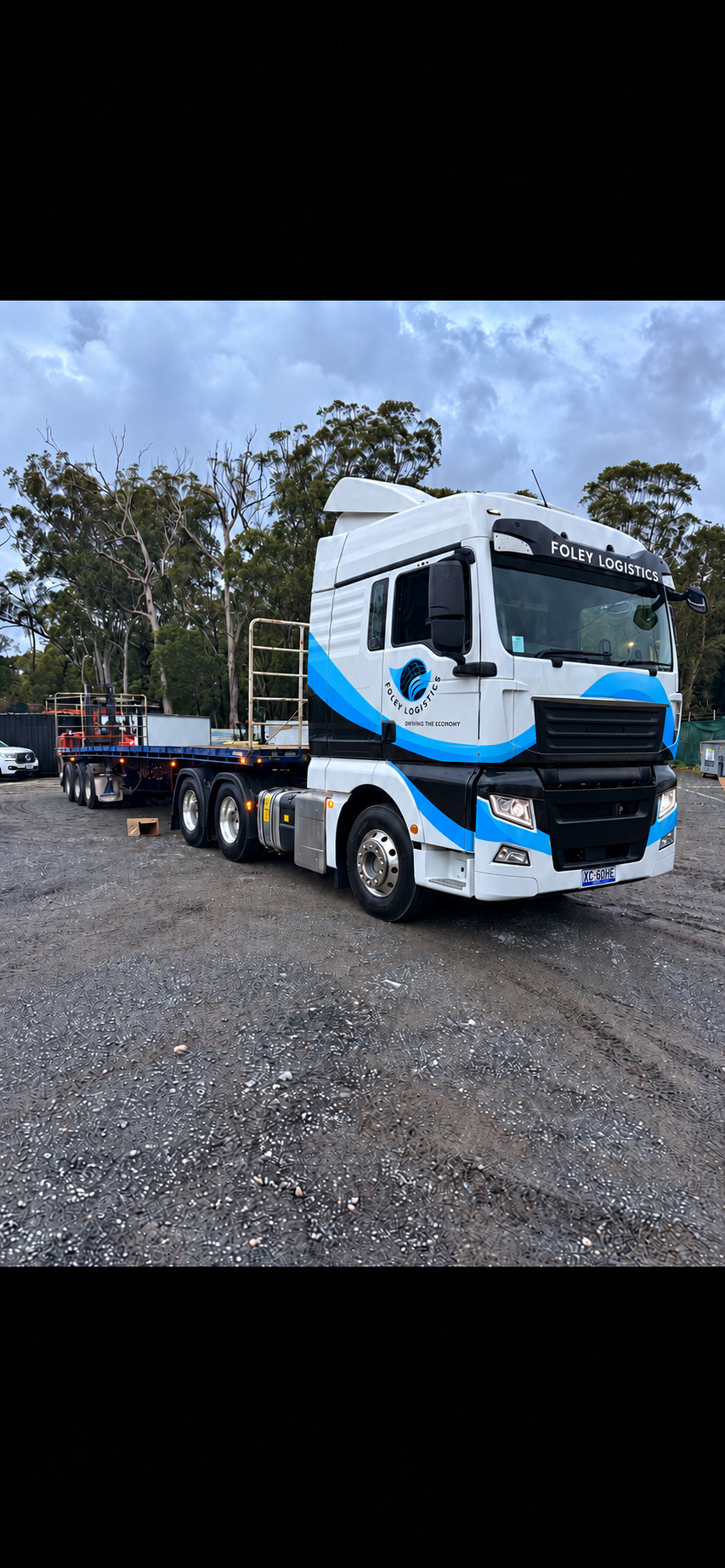
Commercial & industrial loads
Discuss packaged equipment, manufactured goods and other suitable loads with the item weights and footprint available for assessment.
A regular operating requirement
Recurring freight. A plan built around the run.
For daily, scheduled or repeat transport requirements, start with the routes, expected volume, delivery windows and loading responsibilities.
Our team will assess operating fit and availability before confirming a recurring arrangement. The brief should include your usual freight profile, frequency, start period and reporting requirements.
Vehicle availability, accepted lanes, timing and service arrangements are confirmed for the actual requirement.
Match the trailer to the task
The right configuration starts with the load.
Trailer selection depends on dimensions, weight, loading method, access and the route. These diagrams illustrate configurations for discussion; availability and suitability are confirmed by operations.
Tautliner requirements
Discuss suitable palletised or commercial freight needing weather protection and side-loading access.
Open-deck requirements
Discuss materials, equipment or freight needing open access for loading, unloading and load restraint.
Drop-deck requirements
Discuss taller loads or equipment where deck height, dimensions, access and route need closer review.
One workflow
From collection to completed delivery.
Brief the movement
Confirm the freight, sites, preferred dates and handling requirements.
Assess the configuration
Review trailer suitability, legal limits, route, restraint and access.
Coordinate the delivery
Agree loading responsibilities, delivery windows and completion records.
Interstate movements
Plan the lane. Confirm the details.
Send the collection and delivery locations, freight profile and preferred dates so the route, vehicle suitability and scheduling can be reviewed.
Any accepted interstate lane and timing are confirmed for the specific movement. Include fixed receiving slots, site restrictions and any special handling requirements in the brief.
A coordinated movement
One load. Clear handovers.
The transport scope and records are agreed with operations for your requirement.
Before we dispatch
Tell us about the freight. We’ll plan around the job.
A clear brief helps match the load, trailer, route and handling arrangements before the vehicle arrives.
Foley Logistics • Prime mover and semi-trailer
Your freight brief
Four details that shape the plan
- Load & dimensionsQuantity, pallet spaces, packaging, total weight, heaviest item and dimensions.
- Collection & deliveryAddresses, site contacts, requested dates and receiving windows.
- Handling & accessLoading and unloading equipment, restraint points, turning space and clearances.
- Frequency & recordsOne movement or recurring work, expected volume and required delivery records.
Unknown weights or dimensions? Tell us what is still being confirmed. Suitability must be assessed before the transport scope is agreed.
Start with your freight requirements →Handling at the receiving site
What happens when the trailer arrives?
Confirm who provides unloading equipment before booking so the appropriate service can be assessed.
Site forklift available
Confirm compatibility with the load, safe access, receiving personnel and the unloading window.
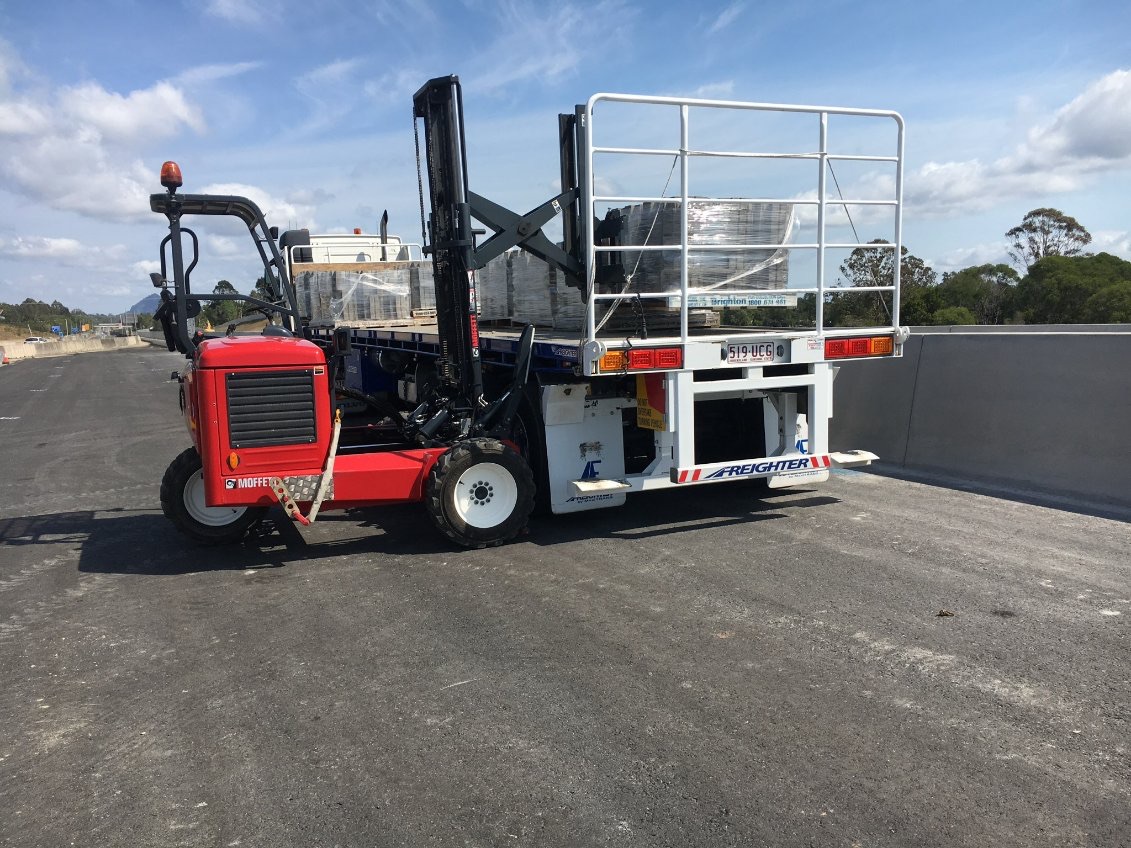
Forklift-assisted delivery
For suitable palletised loads, ask about truck-mounted Moffett transport and the site conditions required.
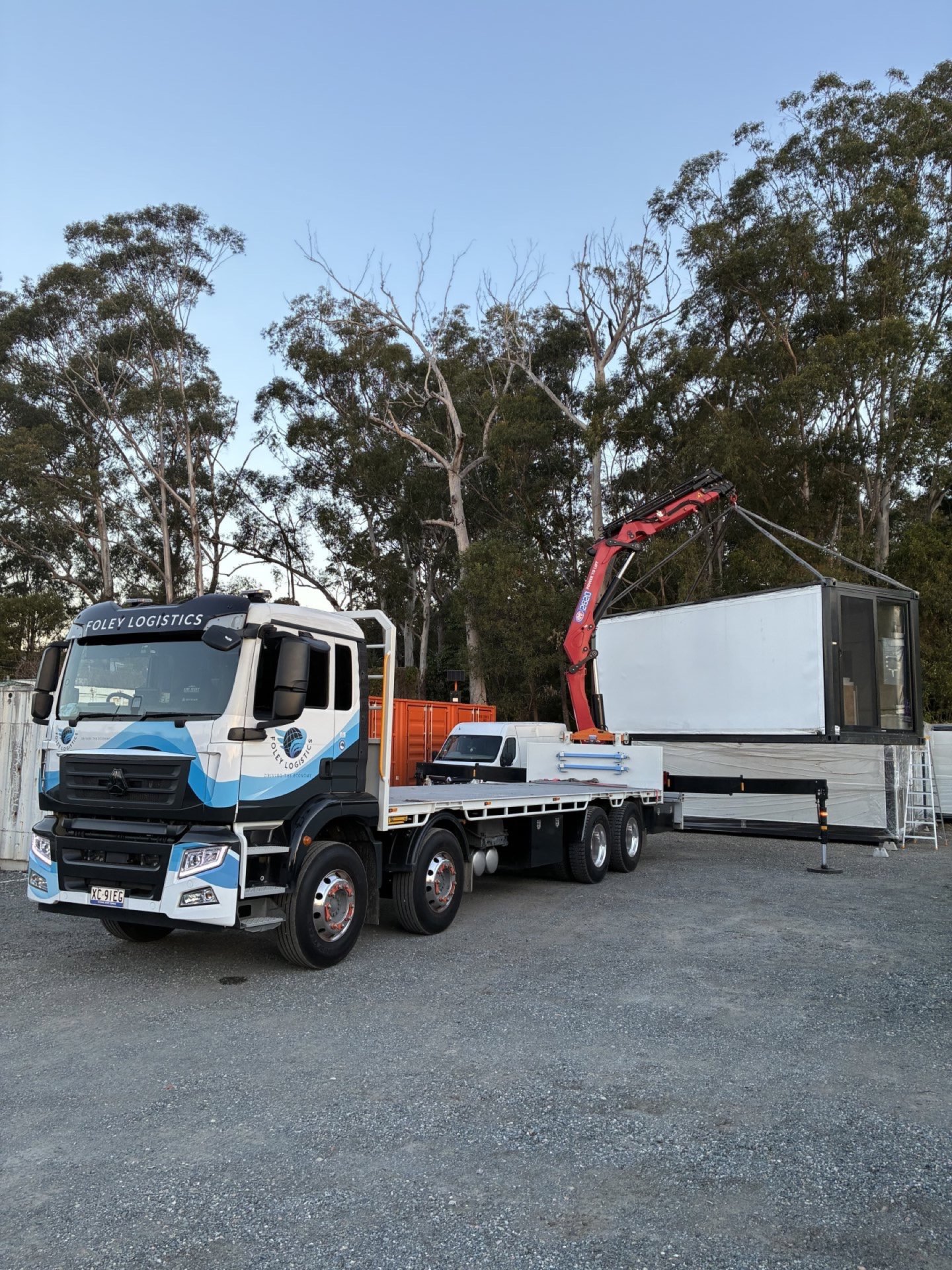
Crane handling required
Where lifting or placement is needed, discuss a semi-crane assessment for the actual load and site.
Before you book
Planning your semi-trailer freight.
Can we arrange regular semi-trailer deliveries?
Discuss the routes, usual freight volume, frequency, delivery windows and start period. Our team will assess operating fit and availability before confirming an ongoing arrangement. For a wider dedicated operation, review contract logistics.
Do you assess interstate freight enquiries?
Yes. Send the pickup and delivery locations, freight details and preferred dates so the route, vehicle suitability and scheduling can be reviewed. Any accepted lane and timing are confirmed for the specific movement.
How much freight can a semi-trailer carry?
The allowable load depends on the actual combination, legal mass and axle limits, load distribution, dimensions and route. Provide the total weight, item weights and pallet or footprint details for assessment.
Does the booking include unloading?
Confirm the loading and unloading arrangements with operations. A general semi-trailer booking does not automatically include a crane or forklift. Moffett and crane-assisted options can be assessed where suitable.
What should I include in the quote request?
Pickup and delivery locations, contact details, dates, pallet count or item quantity, dimensions, total and heaviest-item weights, packaging, site access and loading or unloading equipment.
Start the conversation
Plan your freight. Coordinate your deliveries.
Send the load details, locations and delivery requirements. For repeat work, include your expected frequency and operating windows.


Thanks Hayden
J&N Jenkins.


